Difference between revisions of "Language/Multiple-languages/Culture/Traditional-Symbols-and-Motifs"
< Language | Multiple-languages | Culture
Jump to navigation
Jump to search
| Line 19: | Line 19: | ||
!time of origin | !time of origin | ||
!image | !image | ||
|- | |||
| | |||
* ''ʕayn ḥūrus'' عين حورس [arb,arz] | |||
|Eye of Horus: represents well-being, healing, and protection | |||
|Egypt | |||
| | |||
|https://upload.wikimedia.org/wikipedia/commons/thumb/a/a7/Eye_of_Horus_bw.svg/150px-Eye_of_Horus_bw.svg.png | |||
https://upload.wikimedia.org/wikipedia/commons/thumb/8/8b/Wedjat_collection.jpg/500px-Wedjat_collection.jpg | |||
https://commons.wikimedia.org/wiki/Category:Eye_of_Horus | |||
|- | |||
| | |||
* ''miftāḥ al-Ḥayāh'' مفتاح الحياه [arb,arz] | |||
* ''ꜥnḫ'' [egy] | |||
|life | |||
|30<sup>th</sup> century BC – 29<sup>th</sup> century BC | |||
|Egypt | |||
|https://upload.wikimedia.org/wikipedia/commons/thumb/4/46/Ankh.svg/150px-Ankh.svg.png | |||
https://upload.wikimedia.org/wikipedia/commons/thumb/e/e5/Totenbuch.jpg/330px-Totenbuch.jpg | |||
https://commons.wikimedia.org/wiki/Category:Ankh | |||
|- | |||
| | |||
* ''anthémio'' ανθέμιο [grc] | |||
* ''saʕafa al-naḵīl'' سعفة النخيل [arb] | |||
|ornament | |||
|Egypt | |||
|c. 2500 BC | |||
|https://upload.wikimedia.org/wikipedia/commons/thumb/f/fa/Orna105-Stirnziege.png/330px-Orna105-Stirnziege.png | |||
https://upload.wikimedia.org/wikipedia/commons/thumb/2/26/Palmette%2C_Propylon%2C_Sanctuary_of_Aphaia%2C_Aegina%2C_500_BC%2C_176103.jpg/330px-Palmette%2C_Propylon%2C_Sanctuary_of_Aphaia%2C_Aegina%2C_500_BC%2C_176103.jpg | |||
https://commons.wikimedia.org/wiki/Category:Palmettes | |||
|- | |- | ||
| | | | ||
| Line 29: | Line 61: | ||
https://commons.wikimedia.org/wiki/Category:Sun_of_May | https://commons.wikimedia.org/wiki/Category:Sun_of_May | ||
|- | |||
|- | |- | ||
| | |||
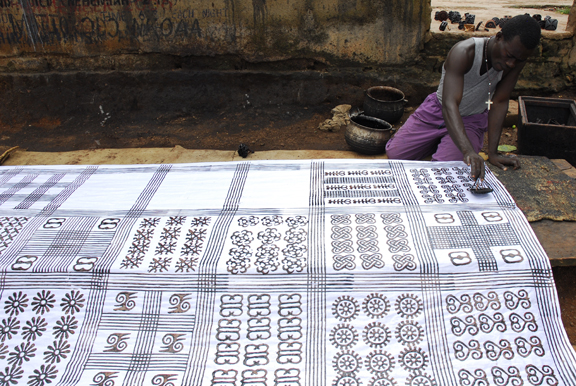
* adinkra [aka] | |||
| | |||
|Gyaman | |||
| | |||
|https://upload.wikimedia.org/wikipedia/commons/2/2a/Adinkra_motifs_Rattray_1927.jpg | |||
https://upload.wikimedia.org/wikipedia/commons/5/5c/NtonsoAdinkra.jpg | |||
https://commons.wikimedia.org/wiki/Category:Adinkra | |||
| | | | ||
* chakana [que] | * chakana [que] | ||
| Line 39: | Line 81: | ||
https://commons.wikimedia.org/wiki/Category:Chakana | https://commons.wikimedia.org/wiki/Category:Chakana | ||
|- | |||
| | |||
* ''ḵamsa'' خمسة [arb,arz] | |||
|protection against the evil eye; hand of Mary in Christianity; hand of Fatima in Islam; Ahl al-Kisa in Shia; the “strong hand” of the Lord in Judaism | |||
|Northern Africa | |||
| | |||
|https://upload.wikimedia.org/wikipedia/commons/thumb/c/cd/WPVA-khamsa.svg/150px-WPVA-khamsa.svg.png | |||
https://upload.wikimedia.org/wikipedia/commons/thumb/6/63/Khamsa.jpg/330px-Khamsa.jpg | |||
https://commons.wikimedia.org/wiki/Category:Khamsa | |||
|- | |- | ||
| | | | ||
Revision as of 19:10, 6 December 2025


* contains entries that can also belong to other articles

Hi, everyone. Here is the index of a gallery of traditional architectures before 1970 around the world.
Details:
- Adinkra Symbols & Meanings https://www.adinkrasymbols.org/
- Heraldry of the world https://www.heraldry-wiki.com/wiki/Heraldry_of_the_world
- Тамга https://ru.wikipedia.org/wiki/%D0%A2%D0%B0%D0%BC%D0%B3%D0%B0
- 家紋のいろは https://irohakamon.com/
Article status: in progress
Categories
| symbol/motif | description | place of origin | time of origin | image | |||||
|---|---|---|---|---|---|---|---|---|---|
|
Eye of Horus: represents well-being, healing, and protection | Egypt | 
| ||||||
|
life | 30th century BC – 29th century BC | Egypt | 
| |||||
|
ornament | Egypt | c. 2500 BC | 
| |||||
|
image of Inti; represents the May Revolution | Río de la Plata | 1810 | 
| |||||
|
Gyaman | 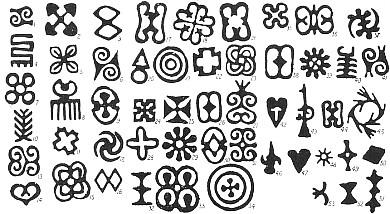
|
|
Andes | 
| ||||
|
protection against the evil eye; hand of Mary in Christianity; hand of Fatima in Islam; Ahl al-Kisa in Shia; the “strong hand” of the Lord in Judaism | Northern Africa | 
| ||||||
|
represents new life, growth, strength and peace | New Zealand | 
| ||||||
|
ornament | Mindoro | 
| ||||||
|
red represents the Earth and the Andean being;
orange represents the society and culture; yellow represents energy and strength; white represents time and change; green represents natural resources and wealth; blue represents the cosmos; violet represents Andean government and self-determination |
Andes | 
| ||||||
|
associated with many ideas that are related to twists including water, waves, clouds, serpents, cyclical movements | Mesoamerica | 
|




* contains entries that can also belong to other articles
Other Lessons
- Introduction to Common Han Characters
- Ranking of countries by cost of living in the world
- Introduction to Writing Systems
- Traditional Architectures
- Traditional Symbols and Motifs
- Naming in different cultures
- Text Processing Tools
- Productivity tools for polyglots
- Similar Sayings
- Websites of DIY Procedures
- Comparison of Advanced FLOSS Tools for Learning
- Best Singers
- Most Famous Folk Songs